The Graduate School of Korean Studies The Academy of Korean Studies
The One and Only Graduate School Established by Korean Government to Promote Korean Studies
Today's Visitor
9Total Visitor
12334English Track
 Humanities > > Korean Cultural Studies
Period of study
2 years
English Track Coures
Above 90%
English Proficiency Requirements
TOEFL 80, IELTS 6.5
Department Information URL
Last Modified Date
2024-08-23
University Information
The Graduate School of Korean Studies The Academy of Korean Studies
한국학중앙연구원 한국학대학원
Website
http://grad.aks.ac.krWebsite for Language Institute
No Website for Language InstituteNumber of international students
-
Doctorate
30
-
Master's
87
-
Master's and Doctorate
0
-
Bachelor's
0
-
Etc.
1
Total
118
Scholarships Support
Size of the scholarship
Personal Support Amount
1,860 USD per year
Support Qualification
All international students are exempt from tuition fees during the whole study period, i.e. 2 years for Master's students and 3 years for PhD students.
GKS(Global Korea Scholarship)
Size of the scholarship
Personal Support Amount
11,300 USD per year
Support Qualification
Applicants must be under 40 years of age and have completed (or be expected to complete) an undergraduate or master's degree program with a cumulative grade equivalent to 80% or higher.
POSCO Global Scholarship at the Academy of Korean Studies
Size of the scholarship
Personal Support Amount
9,500 USD per year
Support Qualification
Candidates must be recommended by the Graduate School of Korean Studies and be nationals of one of the 27 countries designated by the POSCO TJ Park Foundation.
Government Grant
Size of the scholarship
Personal Support Amount
6,900 USD per year
Support Qualification
Up to 15 newly admitted international students per semester are selected through the evaluation of the Scholarship Selection Committee and provided with the monthly stipend of 800,000 KRW for a year with a possibility of extension on a yearly basis upon evaluation.
Dormitory Support
Availability
Yes
Dormitory capacity
301
Dormitory monthly fee($)
Minimum 83 USD for a double room, Maximum 225 USD for a single room($/month)
Qualifications
All international students who wish to live in the dormitory
Department in Charge
Office of Academic and Student Affairs / Staff in Charge: Nayeon Lee
Part-time Job Opportunities
Division Assistant
Availability
Yes
Quota
7
Support Qualification
Enrolled students who have been recommended by the Division Head
Department in Charge
Office of Academic and Student Affairs / Staff in Charge: Nayeon Lee
Korean Language Program Assistant
Availability
Yes
Quota
1
Support Qualification
International students with Korean language proficiency
Department in Charge
Office of Academic and Student Affairs / Staff in Charge: Nayeon Lee
Dormitory Assistant
Availability
Yes
Quota
2
Support Qualification
Enrolled students who live in the dormitory for more than 5 days a week
Department in Charge
Office of Academic and Student Affairs / Staff in Charge: Nayeon Lee
Communal Kitchen Assistant
Availability
Yes
Quota
3
Support Qualification
Enrolled students who live in the dormitory for more than 5 nights per week
Department in Charge
Office of Academic and Student Affairs / Staff in Charge: Nayeon Lee
Research Assistant
Availability
Yes
Quota
00
Support Qualification
Students who are recommended by their research advisor
Department in Charge
Office of Academic and Student Affairs / Staff in Charge: Nayeon Lee
Possible Language Courses
Field of Special Courses & Courses in English
Field of Special Course
Courses in English
○ 한국학 분야 석·박사 과정이므로 대부분의 강좌가 한국어로 진행되며, 글로벌한국학부 한국문화학 전공 강좌만 영어로 제공됩니다.
○ (2024학년도 제1학기) 영어 강좌 : Comparative Culture Studies, Korean Visual Culture Ⅰ, Economic History in Korea, Korean Consumer Culture and Business, Characteristics and Structure of the Korean Language, Intermediate Korean Culture and Society, Korean Classical Language for Foreigners Ⅰ, Psychology of Korean I, Counseling and Psychotherapy
○ (2024학년도 제2학기) 영어 강좌 : Bibliographical Research on Korean Studies I, Origins and History of the Korean Language, Methodology in Teaching Korean as a Foreign Language, Korean Classical Language for Foreigners I, Psychology of Korean Ⅱ, Counseling and Psychotherapy,
Dormitory & Cafeteria
General Dormitory montly fee($)
-
Single
210
-
Double
25
-
Triple
4
-
Room for 4
0
Capacity of Dormitory
301
Dormitory for International Students montly fee($)
-
Single
210
-
Double
25
-
Triple
4
-
Room for 4
0
Capacity of Dormitory
301
Student Cafeteria montly fee($)
-
Breakfast
N
-
Lunch
Y
-
Dinner
N
-
Average cost per meal($)
5
Tuition fee per semester($)
Facilities
Admission Information
-

Application Guidelines_2026 Spring
-
한국학대학원 모집요강_2026 전기
-
MA in Korean Cultural Studies_250702
-
Leaflet_English
-
리플렛_한글
-
5 Reasons to Choose the Graduate School of Korean Studies_251112
-
Application Guidelines_2026 Spring
-
한국학대학원 모집요강_2026 전기
-
MA in Korean Cultural Studies_250702
-
Leaflet_English
-
리플렛_한글
-
5 Reasons to Choose the Graduate School of Korean Studies_251112
-
Etc
Application Guidelines_2026 Spring
-
Etc
한국학대학원 모집요강_2026 전기
-
Etc
MA in Korean Cultural Studies_250702
-
Etc
Leaflet_English
-
Etc
리플렛_한글
-
Etc
5 Reasons to Choose the Graduate School of Korean Studies_251112
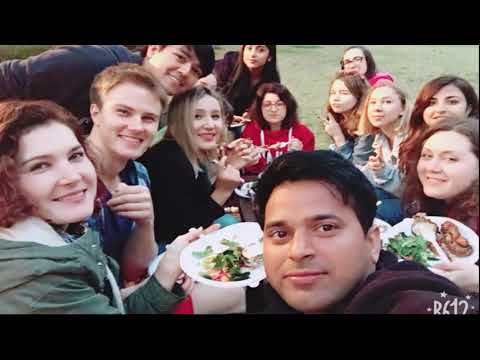
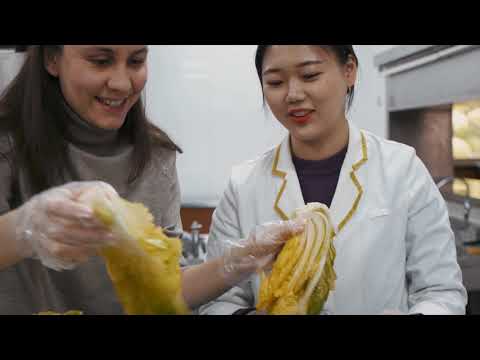
Promotional Materials


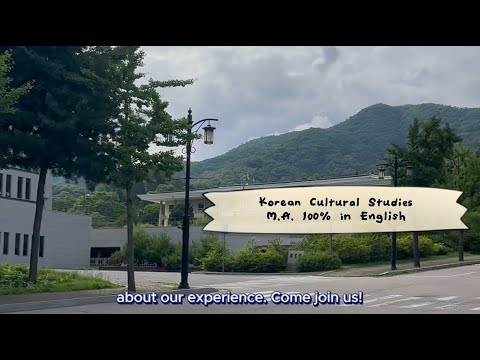
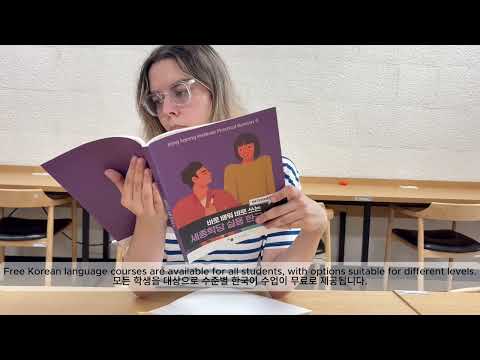


Study Abroad Experience in Korea
Indonesia Student (MA in Korean linguistics)
1. Kenapa memilih the Graduate School of Korean Studies, the Academy of Korean Studies?
Alasan terbesar kenapa saya memilih AKS untuk melanjutkan program S2 saya adalah karena AKS merupakan salah satu Lembaga Pendidikan Negeri di Korea Selatan yang khusus hanya menampung mahasiswa pascasarjana, sehingga menurut saya lingkungan lebih kondusif untuk belajar dan program yang disediakan lebih terfokus pada Korean Studies yang berarti lingkup materi pembelajaran dan penelitiannya pun lebih istimewa dan profesional.
2. Kesulitan apa yang dihadapi selama belajar di luar negeri dan bagaimanakah cara melewatinya?
Tentunya banyak kesulitan yang saya alami selama belajar di AKS. Terlepas dari jurusan yang saya pelajari dan kemampuan bahasa Korea saya yang memang wajib fasih berbahasa Korea, ternyata lingkungan lembaga penelitian besar seperti AKS secara pribadi kurang cocok dengan saya pada awalnya, mungkin karena masih mengharapkan lingkungan yang paling tidak dekat dengan infrastruktur perkotaan dan bisa mudah bertemu dengan teman asing dari kampus lain. Namun, semua itu bisa terlewati apabila kita bisa membaur dan saling mendukung sesama mahasiswa di jurusan. Oleh sebab itu, mungkin saya masih bertahan hingga sekarang dan bisa ke tahap menuju ujian akhir tesis saya saat ini.
3. Manfaat apa saja yang dirasakan selama belajar di the Graduate School of Korean Studies, the Academy of Korean Studies
Bersekolah pascasarjana di AKS tentu sangat banyak keuntungan atau manfaat yang bisa mendukung proses belajar mahasiswa, termasuk saya. Pertama, bebas biaya kuliah hingga program selesai atau lulus. Banyak mahasiswa luar negeri yang ingin belajar di Korea namun terhambat oleh biaya yang cenderung mahal. Selain dikarenakan AKS adalah Lembaga negeri atau nasional, karena memang lokasi dan infrastruktur(kafe, mini market, perpustakaan pusat yang koleksi bukunya lengkap, dll)nya mendukung sehingga dibandingkan dengan sekolah pascasarjana lainnya, cenderung terjangkau (termasuk biaya asrama, makan, trasportasi dll). Kedua, beasiswa uang saku yang bisa didaftari oleh seluruh mahasiswa AKS dan bisa berlaku selama setahun. Beasiswa uang saku ini bisa dimanfaatkan untuk membayar biaya asrama, asuransi, sim card Korea, bahkan kalau suka memasak bisa menabung sedikit-demi sedikit juga. Dan terakhir, meski sudah melewati batas program minimal (S2 min. 2 tahun & S3 min. 3 tahun), mahasiswa diberi kesempatan untuk menuntaskan tulisan penelitiannya untuk lulus selama masing-masing S2 maksimal 5-6 tahun dan S3 8-9 tahun. Selam aitu, per semester hanya perlu membayar uang ‘aktif sebagai mahasiswa yang akan lulus’ sekitar 50.000 won per semesternya.
4. Apa hal-hal yang ingin disampaikan kepada teman-teman yang berminat untuk mendaftar sekolah pascasarjana di the Graduate School of Korean Studies, the Academy of Korean Studies?
Tidak banyak hal yang mungkin bisa saya sampaikan, hanya beberapa yang menurut saya penting. Apabila memang punya niat yang kuat untuk belajar di luar negeri, maka jangan setengah-setengah dalam mempersiapkannya. Khususnya untuk mendaftar belajar di AKS, persiapkan dari jauh-jauh hari segala berkas yang dibutuhkan. Kemudian walaupun jurusan yang dipilih tidak menomor satukan kemampuan bahasa Korea, saya pribadi ingin menekankan kepada teman-teman untuk tetap sangat diperlukan belajar dan paham bahasa Korea. Saya jamin kehidupan belajar di Korea akan lebih menyenangkan. Terakhir, kenali juga budaya Korea dengan baik supaya tidak terjadi kesulitan yang berarti selama belajar di Korea, khususnya di AKS nantinya. Semangat untuk memulai tantangan yang baru, kalian pasti bisa!
Taiwanese Student (MA in Socioloty)
1. 我選擇就讀韓國學中央研究院韓國學研究所的原因
一開始吸引我的是獎學金優惠政策,深入了解韓國學研究所後,認為這裡的學術環境對於專業學習會有非常大的幫助。作為政府所屬的學校,在資源的提供上十分充足。出國深造就是希望能有所收穫,而不是來混時間,因此良好的學習環境是非常重要的,多方比較之下,最後選擇了韓國學研究所。
2. 我在留學期間遇到的困難以及我是如何克服這些困難
即使我已經取得韓檢最高六級,在剛開始看學術論文及書本還並不是那麼流暢,經常需要花比別人多的時間去理解內容,一開始十分挫折。後來系上一位教授告訴我,大量的閱讀會非常有幫助,因此我開始利用課餘閒暇時間,不刻意著墨文章內一個一個的單字,而是不間斷地閱讀。有趣的是,剛開始需要看到中後段才開始理解內文所表述,後來時間久了,從文章開頭我就能快速抓到重點,理解速度加快許多。
另外,一開始突然換到新的環境,也十分不適應,但幸好系上學長姊都很親切,無論課業上或生活都會樂於幫助,另外還參加了不少學校舉辦的活動,增加生活樂趣也加快讓我適應了韓國留學生活。
3. 就讀韓國學中央研究院韓國學研究所的益處
因為學校提供許多獎學金政策,首先能讓我無後顧之憂的專注在學術上。學校實施精銳教育的政策,也讓我與系上同學與教授關係緊密,無論是課外活動或是討論學術專業都能無壓力的侃侃而談。一個學術氣氛好的地方能讓人更加心無旁鶩專注於學習。另外,透過學校舉辦的活動,能免費體驗到韓國傳統文化,我因此去了許多可能一輩子都不會踏進的郊外、首爾以外縣市,放大了我的視野,對於韓國傳統文化有更深入的了解。
4. 您想對可能考慮報考韓國學中央研究院韓國學研究所的同學或朋友說些什麼
如果你/妳報考的目的只是想要體驗韓國留學生活,那希望你/妳再深思熟慮。如果你/妳是希望能有收穫,對學習抱有熱忱,韓國學研究所一定是最佳的選擇。韓國學研究所就像是一個小地球村,有來自世界各國的優秀人才聚集在此一同創造學術專業的更多可能性,能打開你/妳的眼界,放眼全球。踏出家鄉來到陌生環境是需要非常大的勇氣,但只要你/妳準備好了,無論幾歲都來得及開始。
Bulgarian Student (MA and PhD in Political Science)
1. Why I chose the Graduate School of Korean Studies, the Academy of Korean Studies
The main reason why I chose to study at AKS was, undoubtedly, the financial support the school is providing in the form of a monthly stipend. Personally, I have always been interested in studying abroad, and being a citizen of the EU grants me many opportunities to do so in theory. However, the reality is that coming from a developing country, I can hardly afford to live in a foreign country without burdening my parents financially. After joining the Korean Studies Department of Sofia University for my Bachelor's degree, I was amazed by the various scholarship alternatives Korea presents to international students. AKS's graduate school program, in particular, was introduced to me by the former Consul at the Embassy of Republic of Korea in Bulgaria when I was working there as an intern, and the academic curriculum immediately caught my attention with its focus on humanities, unlike many other universities which are targeted at engineering and the IT sector. A few years later, I realize that I have made the right choice regarding both my professional and personal development.
2. Difficulties I faced during my study abroad and how I overcome those
One of the major challenges I encountered upon moving to Korea as a foreign student, was the language barrier. Based on what I've heard from international friends who have lived here longer than I've had, the availability of English services has greatly improved in comparison with 5-10 years ago. So, I was lucky that I didn't really have any serious problems communicating in English in daily life situations such as ordering food or using public transportation. However, command of Korean language turned out to be essential as far as university affairs were concerned. What surprised me the most was that the majority of the students at AKS were fluent in Korean and for many of them, it was their first foreign language. In contrast, my level of proficiency at the time was intermediate, which was the minimum required for admission in 2017. I was slightly distressed because I felt that I was the only one who was unable to understand the class material and the school announcements despite four years of studying Korean beforehand. Luckily, all of my professors were very understanding of my situation, which helped me gain confidence and focus on my studies, overcoming the language barrier step by step. As far as my personal efforts are concerned, I attended many extracurricular activities such as lectures and seminars in Korean as a listener, which greatly contributed to my overall understanding of Korean speech.
3. Benefits of studying at the Graduate School of Korean Studies, the Academy of Korean Studies
One of the greatest benefits of studying at AKS is the people I met here. As mentioned above, the faculty members of AKS are very kind and considerate, which is crucial since international students often need someone to rely on in the face of professors and administrative staff. Besides that, I am extremely happy with the friends I made here as I was able to become acquainted with bright young scholars from all around the world. Studying in an international environment is essential because it provides precious insight into global perspectives and points of view of other cultures, something greatly needed in today's age of globalization. Moreover, my newly-made friends didn't hesitate to share their experience of living in Korea, giving me some essential tips regarding both university life at AKS and prosperity as a foreign student. With no exaggeration, everything I learned from my senior classmates was proved to be valuable and useful information.
4. Whatever you want to tell your potential classmates/friends who considers applying for the Graduate School of Korean Studies, the Academy of Korean Studies
There are two pieces of advice I would like to share with my future classmates. Firstly, I strongly recommend potential students to not be discouraged by the language barrier while studying at AKS, and to always take up extra work when possible. Based on my experience, AKS is an institution where all hard work pays off, so being a good student can realistically result in finding multiple opportunities for academic realization on campus, including paid projects, part-time research work, and traveling grants. My second advice is to actively communicate with people from different backgrounds and try to be a people's person as much as possible during your stay at the university. Building a global network of friends and colleagues is priceless and AKS is an international institution that provides ideal environment to do so, so don't miss out on this unique opportunity.
Ethiopian Student (PhD in Political Science)
1. Why I chose the Graduate School of Korean Studies, the Academy of Korean Studies
AKS is a research-based graduate school and I think, it is one of the best universities especially to study departments pertinent to Korea (Korean history, culture, society and economy, politics). In general, I chose AKS for the following reasons:
1) Free Korean Langauge courses. In AKS students have the opportunity to study the Korean language. As far as I’m concerned, though I studied the Korean language for one year at Deagu university, I was unable to master the language to the expected level. I faced difficulties in reading, writing, communicating, and attending courses that were given in the Korean language. Therefore, I attended the free language classes that enabled me to master the language.
2) Conducive teaching-learning environment. First of all, AKS is a graduate school that doesn’t accept undergraduate students. There are only a few students, no crowd, and noise. Secondly, there is a 1 to 1 guidance and counseling service. The academic office is open for students who want to get any advice, and the staff is always welcoming. Particularly, the staff who is in charge of international students are cooperative starting from the application process. Thirdly, there are enough studying and research resources. There is a big library with study rooms and a variety of books. Historical documents especially about the Jesong dynasty are also reserved in the institute which is called Jangseogak. Fourthly, AKS provides services for students at a cheap price. There is a restaurant with a fair price, dormitory with a discounted cost, kitchen and cooking tools, free gym, etc.
3) Favorable Research Environment. As it is known, research demands a quiet environment and a concentrated mind. In this regard, AKS is very quiet, unless personal matters, nothing distracts your concentration. Research facilities such as previous research documents, research rooms, books, internet sources, journals, are available and easily accessible.
2. Difficulties I faced during my study abroad and how I overcome those
Homesick is the first challenge that faces students who study overseas. Whenever there is a holiday or special occasion, I always wish to be with my family back at home. Especially, the first two or three months were challenging. On one hand, it was too early to make a friend overseas and on the other hand, it has been not too long since being separated. You remember your family and friends every moment. But after a while, you will make friends and able to settle in the new environment. To avoid homesickness, I tried to make friends who have similar hobbies with me and spend time together.
The second challenge was language. When I came to Korea, I didn’t know anything about the Korean Language. So it was hard to communicate with the local people. Therefore, it is advisable to study the basic language of the country before where you go. To develop my language, studying hard is the obvious thing, but practice the language daily, having Korean friends, participating in events held in the Korean language, watching Korean dramas, and listening to the news in the Korean language is of great importance.
The third difficulty was differences in culture and way of life. Korean society’s culture and way of life are significantly different from Ethiopia. Hence, settling in Korea was challenging at the beginning. Besides, it is hardly possible to have a sufficient understanding of the culture and way of life of the wider society by studying at school. Studying the culture at the school is one thing, but to be well informed, it is vital to go out of campus and integrate with society. Accordingly, I often went to the local market, attended traditional festivals, visited traditional villages, and historical sites to acquaint myself with the culture of the local society.
3. Benefits of studying at the Graduate School of Korean Studies, the Academy of Korean Studies
The academic benefit is the common goal of all academic institutions. I also benefited academically from the well-experienced professors, the university facilities such as the library and historical records. However, studying in AKS provides further benefits.
1) To have a Global Perspective. AKS accepts scholars from different parts of the world-Africa, Asia, America, Australia, and Europe. If I’m not mistaken more than half of the total students are foreigners. This provides the chance for students to meet various scholars with various backgrounds. This diversity help students to have a wider perspective.
2) Free Language Training. AKS provides a free Korean language class which boosts students’ language skills. In addition to bolstering the academic performance of students, knowing the Korean language paves the way for students to integrate themselves with the local society.
3) Cultural Experiences. AKS provides free cultural experience programs such as traveling to historical sites, traditional festivals, theaters.
4) University Facilities and Services. AKS provides a free proofreading service for foreign students; Students who write their class assignments or graduation researches in the Korean Language can get a free proofreading service. The dormitory and kitchen equipment, restaurant, and other services are provided at a reasonable price. Besides, AKS organizes Korean Language Speaking and letter writing competitions which boosts students’ interaction and motivation.
Filipino Student (MA in Korean Culture and Society)
1. Why I chose the Graduate School of Korean Studies, the Academy of Korean Studies
My genuine interest in Korean Culture started when my elder sister, who has played a very influential role in my life, introduced me to Korean music back in 2006 when I was still an elementary student. Since then, I have been very hooked with various Korean content. As time went by and as I became an adult, my interest in Korean culture remained and matured together with me. It is now more than my love for Korean TV shows and Korean music, it’s now about my admiration for Koreans’ high sense of nationalism and love for their country, their unbelievably fast economic development, their sense of hard work and accomplishment etc. Thus I decided to take my Master’s in Korean Studies in one of the best institutes in Korea. I heard about the Academy of Korean Studies back when I was an undergraduate student under the Psychology Department in the University of the Philippines, Diliman. Although we still don’t have a separate Korean Studies department in our university, we had various programs and initiatives where AKS partners with us as well. Through those programs, I came to know about AKS which is one of the best institutions in Korea to study in the fields of humanities and social sciences pertinent to Korea. As I researched more and more about the Graduate School of Korean Studies, my decision to study in AKS became stronger and now I am finishing my 3rd semester in the MA Korean Culture & Society program under the Global Korean Studies department as a Korean Government Scholarship Program awardee. It’s been an amazing journey so far.
2. Difficulties I faced during my study abroad and how I overcome those
It might be very obvious to any non-native speaker student who studies in a country where the language and culture is different, but it would be a lie not to say the major difficulties I faced was on the language and culture barriers. But as you read more about your field of study and you attend class more, it becomes easier to adjust and you get to be more familiar with the vocabularies used and before you know it, you’ve already overcome those barriers. It helps to have friends who are also undergoing the same difficulties from the language and culture barriers, of which I guarantee 100% you will find among your fellow students in AKS. A pro-tip as well is to never compare your skills to others, understand that everyone has different backgrounds and you’re doing good enough as it is.
3. Benefits of studying at the Graduate School of Korean Studies, the Academy of Korean Studies
The inside of the Academy of Korean Studies is very peaceful and beautiful which is an environment very conducive to learning, not to mention a lot of available and cheap facilities for the student. As the student and professor ratio is small as well, focus and support is given to each student, more than big universities. Not only that, the fields and expertise of the Professors in the Graduate School of Korean Studies has a very wide range so it is possible to learn a lot about different topics you are interested in. There are a lot of benefits in studying at the Graduate School of Korean Studies that you should experience yourself!
4. Whatever you want to tell your potential classmates/friends who considers applying for the Graduate School of Korean Studies, the Academy of Korean Studies
The AKS community is such a warm and helpful community especially to foreigner students who have an inclination to study Korean studies, humanities and social sciences. I guarantee you will have all the support you need once you decide to apply to study here and it will be a memorable experience that will help you grow the best as an academic scholar! Don’t hesitate and just go for it~
French Student (PhD in Korean Literature)
1. Why I chose the Graduate School of Korean Studies, the Academy of Korean Studies
J’ai choisi d’étudier à l’École Universitaire de Recherche des Études coréennes de l’Académie des Études coréennes (AKS) pour plusieurs raisons: la première est qu’il n’y avait personne en France qui était vraiment apte à superviser ma thèse dans le domaine de recherche qui m’intéressait. Ensuite, je voulais recevoir l’apprentissage et être reconnu par des spécialistes coréens en étudiant en Corée et rédigeant ma thèse en coréen. Et enfin, j'ai pensé que le cadre académique qu’offre l’AKS est unique et peut-être le meilleur pour se former dans un domaine en lien avec les Études coréennes en tant qu'étranger.
2. Difficulties I faced during my study abroad and how I overcome those
Si ce n’est la charge de travail et le suivi des cours, je ne pense pas avoir rencontré de grosses difficultés. Pour la charge de travail et le suivi des cours, et notamment la rédaction de présentations en coréen, le premier semestre était particulièrement difficile, mais je me suis vite adapté par la suite, grâce aux conseils et à l’aide de mes aînés (seonbae), en autres.
3. Benefits of studying at the Graduate School of Korean Studies, the Academy of Korean Studies
L’École Universitaire de Recherche des Études coréennes de l’Académie des Études coréennes est le cadre idéal pour étudier son domaine de recherche: déjà car il est dédié aux études coréennes, mais aussi parce qu’il y a peu d’élèves par classe, ainsi que des professeurs spécialistes et une administration très à l’écoute. De plus, le campus est non seulement agréable, mais dispose aussi de très bon équipement, en particulier en ce qui concerne la bibliothèque, les bureaux d’études et l’accès au Jangseogak. En plus de l’exonération des frais d’inscription et des bourses proposés, il y a beaucoup de programmes de soutien académique ou de programmes culturels organisés pour les étudiants étrangers. C’est un endroit où l’on est entouré par des personnes, coréennes ou de nationalités étrangères qui ont le même intérêt pour les Études coréennes, ce qui est très agréable, et où l’on peut rencontrer des personnes talentueuses venant du monde entier. Mais en plus, un de ses points forts, c’est d’être ni trop près ni trop loin de Séoul, ce qui permet de rester à la fois dans un environnement calme et studieux, à la fois d’avoir un accès rapide à tous les avantages que peut offrir la capitale.
4. Whatever you want to tell your potential classmates/friends who considers applying for the Graduate School of Korean Studies, the Academy of Korean Studies
Écrivez bien votre projet de recherche et votre lettre de motivation. Pensez bien à ce que vous aimez et souhaiteriez étudier plus en profondeur en venant à l’École Universitaire de Recherche des Études coréennes de l’Académie des Études coréennes ; pour cela, vérifiez ce qui a été fait en français, anglais et coréen. Vérifiez aussi la spécialité et les axes de recherches des professeurs du département qui vous intéresseraient, car cela vous aidera à rédiger votre projet de recherche, mais aussi à choisir la direction que vous voudriez prendre. Mais surtout, aimez ce que vous faites et montrez-le.
Romanian Student (MA and PhD in Korean Literature)
1. Why I chose the Graduate School of Korean Studies, the Academy of Korean Studies
One of my professors from Romania has graduated from AKS and suggested me this school. Also, after I came here for the summer school program I felt that this place is good for quiet studying. From a pragmatic point of view, this school has better scholarship programs than other schools in Korea.
2. Difficulties I faced during my study abroad and how I overcome those
The ineffective communication style and the authoritarian style of old professors is the most persisting problem. Some of the old professors have less structured classes, poor communication skills and lack skills in knowing how to teach or guide in the research area. This problem is hard to overcome. The few solutions there are is to avoid these professors’ classes and choose the younger professors’ classes. (I am not generalizing, because I know old professors who are very good at communicating and teaching but I had to deal with such unfortunate cases.)
3. Benefits of studying at the Graduate School of Korean Studies, the Academy of Korean Studies
The low number of students per class which facilitates discussions, the scholarship program, the very kind and helping administrative office that provides real support, the extra-curriculum programs and the possibility to access a wide range of online libraries and research sources.
4. Whatever you want to tell your potential classmates/friends who considers applying for the Graduate School of Korean Studies, the Academy of Korean Studies
Come because AKS provides a lot of resources for you to fulfill your goal but also be open to self-teaching and be aware that time is scarce.
Russian Student (MA and PhD in Korean History)
1. Why I chose the Graduate School of Korean Studies, the Academy of Korean Studies
I looked for a school with a strong department of Korean History and access to databases and archives. Willing to focus on studies, I also looked for a place, which provides students with financial support. AKS fills these criteria perfectly.
2. Difficulties I faced during my study abroad and how I overcome those
None of the difficulties I faced so far are directly related to the process of my education. Instead, I may say that all of them are more or less typical for a carrier of a certain cultural background, come to reside in an unfamiliar socio-cultural environment. “Socio-cultural differences” is not just a fancy term – this I came to learn a hard way (not THAT hard, but still) after five years in Korea. Respecting and following unfamiliar rules of behavior - a mandatory aspect of living abroad – is not something that comes easy. The same is applicable for studying abroad, as the general in-between-students dynamic, as well as the terms of student-professor interactions, are defined by local socio-cultural norms. It took me a while to get used to 선배-후배 dynamics and the traditionally more elevated (if co compare to Russia, for example) status of a teacher/professor in Korea, but when I got there, it was not a problem at all.
On the other hand, it is necessary to mention that since about half of AKS students are foreigners, the educational environment in the school is less traditional(so to say), which, in my opinion, contributes to the study process.
3. Benefits of studying at the Graduate School of Korean Studies, the Academy of Korean Studies
Solid academic background, financial support of students, multicultural atmosphere
4. Whatever you want to tell your potential classmates/friends who considers applying for the Graduate School of Korean Studies, the Academy of Korean Studies
AKS is a bit different from other universities and graduate schools in Korea. It is located in a pretty deserted area, which, while providing a perfect background to be focused on studies, also largely limits one's social life. There are no active after-school activities on campus as well. So, to meet people, you will have to make an effort of reaching them (quite literally).
The course of classes and a general educational pattern of a department is defined by its professors (just like in any other university in Korea), so you may want to pay some attention to it as well.
Spanish Student (MA in Korean Culture and Society)
1. Por qué elegí the Graduate School of Korean Studies, the Academy of Korean Studies
Soy de ascendencia coreana pero había vivido toda mi vida en España. Había estudiado Lengua y Literatura Española en Madrid y tras terminar mi máster no estaba segura si seguir con mis estudios y hacer un doctorado. Quise cambiar de ambiente y me enteré de que la AKS ofertaba becas para estudiar en Corea. Escuché que la AKS es una universidad bastante conocida en el campo de Estudios Coreanos y decidí hacer un máster de Estudios de Cultura Coreanas para conocer mejor mis raíces. Tras mi formación en la AKS, me gustaría trabajar en algún ámbito donde pueda acercar los Estudios Coreanos en los países hispanohablantes porque todavía es un campo de desconocido.
2. Dificultades a las que me enfrenté durante mis estudios en el extranjero y cómo logré superarlas
Las clases de la AKS eran más exigentes de lo que había esperado. Cada semana había que realizar gran cantidad de lecturas y redactar un informe, además de preparar una presentación individual o grupal sobre un tema de clase. Al final de cada semestre se entregaba un trabajo final de investigación personal y presentarlo ante el profesor y los compañeros de clase.
Los estudios eran estresantes pero sobre todo redactar el Trabajo Final de Máster (TFM) fue lo más difícil. Tardé mucho tiempo en encontrar un buen tema de investigación ya que había que realizar un estudio previo para asegurarme de que todavía no se ha realizado una investigación parecida a mi tema de interés. Una vez encontrado el tema adecuado, muchas veces me quedaba atascada con la redacción y no sabía cómo continuar. En esos casos procuraba descansar un poco y volver de nuevo al TFM. Para mí, el TFM era un proceso sin fin de escribir, quedarme atascada, descansar y volver a escribir otra vez. Era un camino arduo, repetitivo y muy solitario donde muchas veces quise tirar la toalla. Lo más importante es tener alguien al lado, sea un tutor, un amigo o un profesional a quien pueda contar mis problemas y pedir ayuda si es necesario.
3. Beneficios de estudiar en the Graduate School of Korean Studies, the Academy of Korean Studies
Comparado con otras universidades es muy económico el alojamiento y ofrece buenas instalaciones. Además de la cocina comunal, hay un gimnasio donde se puede realizar ejercicios físicos y una biblioteca con sala de estudios abierta las 24 horas al día.
También tenemos el privilegio de atender clases de otros departamentos si nos interesa el temario e incluso atender clases de otras universidades que tengan convenio con la AKS. Sin embargo, la mayoría de estas clases se imparten en coreano por tanto hay que tener un alto nivel de idioma. Recomiendo aprovechar estas oportunidades que ofrece la universidad porque se puede profundizar los conocimientos sobre Estudios Coreano.
Mi estancia en la AKS fue durante la pandemia por tanto no pude disfrutar ninguna de las actividades o excursiones que la universidad organizaba cada semestre. Espero que los futuros estudiantes puedan disfrutar de estas actividades porque se puede viajar por otras ciudades de Corea a precio económico y conocer mejor sobre la historia y cultura coreana.
4. Whatever you want to tell your potential classmates/friends who considers applying for the Graduate School of Korean Studies, the Academy of Korean Studies
Recomiendo preparar con tiempo los documentos para la solicitud de inscripción porque apostillar los títulos universitarios y expedientes académicos puede tardar mucho tiempo según el sistema burocrático de cada país y el proceso puede acabar siendo estresante. Acabarás dudando de si podrás realizar la inscripción a tiempo pero hay que procurar no perder la paciencia y seguir adelante con la solicitud.
Muchos vienen a Corea con la esperanza de pasarlo bien pero terminar un programa de máster o doctorado requiere mucho tiempo y esfuerzo. Los profesores son exigentes por tanto recomiendo desde el primer día de clase ser aplicado en los estudios si no queremos pasarlo mal con los trabajos finales. Si tu plan es terminar tu máster en dos años, mejor empezar a pensar sobre el tema de investigación desde el primer semestre y durante el curso buscar a un tutor adecuado para el TFM.
Por último, intenta disfrutar de la experiencia en Corea sea buena o mala porque al final acaban siendo experiencias valiosas en la vida.
Uzbekistan Student (Master's Degree in Sociology)
1. Nega men Koreyashunoslik oliy maktabini, Koreysshunoslik akademiyasini tanladim
Bu aspiranturani tanlashimga ko'p sabablar bor. Ularning eng muhim sababi shundaki, siz tadqiqotchi sifatida haqiqiy tadqiqotlar bilan bir qatorda, Koreysshunoslik ilmiy tadqiqot institutida tezisni ham bajarishingiz mumkin. Va siz o'qish va tadqiqotlaringizga o'qish va yashash xarajatlari haqida qayg'urmasdan e'tibor qaratishingiz mumkin.
2. Chet elda o'qish paytida duch kelgan qiyinchiliklar va ularni qanday engishim
Birinchidan aytishim mumkinki, chet elda yashashning eng qiyin qismi til to'siqlari. Vaqti -vaqti bilan siz madaniy zarbalarni sezasiz va noto'g'ri tushunasiz. Shuningdek, oila va vatanni sog'ing, shuning uchun ko'p do'stlar orttirish muhim.
3. Koreysshunoslik oliy maktabi, Koreysshunoslik akademiyasida o'qishning afzalliklari
Bu erda o'qishning eng yaxshi qismlaridan biri shundaki, siz pul haqida qayg'urmasligingiz kerak, chunki ko'p narsalarni davlat to'laydi. Korona virusi tufayli ko'plab tadbirlar va almashinuv dasturlari to'xtatilgani aytiladi, lekin oldin bu erdagi talabalar sayohat qilib, ko'plab dasturlarda qatnashar edilar. Shuningdek, professorlar birma -bir gaplashib, sizning ilmiy maqolangizda yordam berishi mumkin.
4. Koreyashunoslik oliy o'quv yurtiga, Koreysshunoslik akademiyasiga hujjat topshirmoqchi bo'lgan potentsial sinfdoshlaringizga/do'stlaringizga nima demoqchi bo'lsangiz.
Agar siz Koreyada stipendiya izlayotgan bo'lsangiz, bu dastur siz uchun juda yaxshi imkoniyatdir. Sizni faqat yaxshi baholar va ilmiy maqolalaringiz bo'lsa tanlab olish mumkin, shuning uchun ariza topshirganda buni o'ylab ko'ring.
Kazakh Student (Master's Degree in Korean Culture and Society)
1. Why I chose the Graduate School of Korean Studies, the Academy of Korean Studies
Академия Корееведения специализируется на профилях связанных напрямую с Кореей. Если в других университетах имеются ограничения в выборах предметов, то здесь имееся большой выбор предметов несмотря на вашу специальность. Благодаря им вы можете узнать не только культуру Кореи, но также историю, экономику, язык и т.д. Также при университет имеются отдельно курсы корейского языка, для повышения уровня корейского языка необходимого для написания исследовательской работы.
2. Difficulties I faced during my study abroad and how I overcome those
Для адаптационного периода понадобится время. В случае меня особенных трудностей в плане жизни в Кореи пока не было. Если возникнут трудности вы можете поделиться с друзьями или посоветоваться с иностранным отделом в университете, где вам окажут помощь. Самое главное старайтесь соблюдать время, и если у появятся вопросы, то не стесняясь задавать их.
3. Benefits of studying at the Graduate School of Korean Studies, the Academy of Korean Studies
Касательно определенных программ, которые имеются в университете их много. Вы можете работать ассистентов при кафедре, помощником в академии, работать над исследование с профессорами. При университете также проводятся большое количество конкурсов и исследовательских работ, где вы можете получить призы. Во время обучения проводятся экспедиции в другие города, страны. Обучение для иностранцев проводится бесплатно, и около 70% студентов получают ежемесячную стипендию. Количество студентов из Кореи и других стран одинаково. Благодаря этой возможности вы можете познать культуру не только Кореи, но и культуру студентов из других стран.
4. Whatever you want to tell your potential classmates/friends who considers applying for the Graduate School of Korean Studies, the Academy of Korean Studies
При подаче документов рекомендую заострить внимание на исследовательском плане, просмотреть работы профессоров и выбрать определенную область. В случае если вы хотите слушать лекции не только на корейском, но также и на английском, есть факультет "Культура Кореи". Здесь вы можете подтянуть не только корейский, понимание культуры, найти друзей, но также расширить свой кругозор
Czentye Mihai Levi from Romania (MA and PhD in Korean Literature)
1. Why I chose the Graduate School of Korean Studies, the Academy of Korean Studies
One of my professors from Romania has graduated from AKS and suggested me this school. Also, after I came here for the summer school program I felt that this place is good for quiet studying. From a pragmatic point of view, this school has better scholarship programs than other schools in Korea.
2. Difficulties I faced during my study abroad and how I overcome those
The ineffective communication style and the authoritarian style of old professors is the most persisting problem. Some of the old professors have less structured classes, poor communication skills and lack skills in knowing how to teach or guide in the research area. This problem is hard to overcome. The few solutions there are is to avoid these professors’ classes and choose the younger professors’ classes. (I am not generalizing, because I know old professors who are very good at communicating and teaching but I had to deal with such unfortunate cases.)
3. Benefits of studying at the Graduate School of Korean Studies, the Academy of Korean Studies
The low number of students per class which facilitates discussions, the scholarship program, the very kind and helping administrative office that provides real support, the extra-curriculum programs and the possibility to access a wide range of online libraries and research sources.
4. Whatever you want to tell your potential classmates/friends who considers applying for the Graduate School of Korean Studies, the Academy of Korean Studies
Come because AKS provides a lot of resources for you to fulfill your goal but also be open to self-teaching and be aware that time is scarce.
Daria Grishina from Russia (MA and PhD in Korean History)
1. Why I chose the Graduate School of Korean Studies, the Academy of Korean Studies
I looked for a school with a strong department of Korean History and access to databases and archives. Willing to focus on studies, I also looked for a place, which provides students with financial support. AKS fills these criteria perfectly.
2. Difficulties I faced during my study abroad and how I overcome those
None of the difficulties I faced so far are directly related to the process of my education. Instead, I may say that all of them are more or less typical for a carrier of a certain cultural background, come to reside in an unfamiliar socio-cultural environment. “Socio-cultural differences” is not just a fancy term – this I came to learn a hard way (not THAT hard, but still) after five years in Korea. Respecting and following unfamiliar rules of behavior - a mandatory aspect of living abroad – is not something that comes easy. The same is applicable for studying abroad, as the general in-between-students dynamic, as well as the terms of student-professor interactions, are defined by local socio-cultural norms. It took me a while to get used to 선배-후배 dynamics and the traditionally more elevated (if co compare to Russia, for example) status of a teacher/professor in Korea, but when I got there, it was not a problem at all.
On the other hand, it is necessary to mention that since about half of AKS students are foreigners, the educational environment in the school is less traditional(so to say), which, in my opinion, contributes to the study process.
3. Benefits of studying at the Graduate School of Korean Studies, the Academy of Korean Studies
Solid academic background, financial support of students, multicultural atmosphere
4. Whatever you want to tell your potential classmates/friends who considers applying for the Graduate School of Korean Studies, the Academy of Korean Studies
AKS is a bit different from other universities and graduate schools in Korea. It is located in a pretty deserted area, which, while providing a perfect background to be focused on studies, also largely limits one's social life. There are no active after-school activities on campus as well. So, to meet people, you will have to make an effort of reaching them (quite literally).
The course of classes and a general educational pattern of a department is defined by its professors (just like in any other university in Korea), so you may want to pay some attention to it as well.
Dereje Teshome Birru from Ethiopia (PhD in Political Science)
1. Why I chose the Graduate School of Korean Studies, the Academy of Korean Studies
AKS is a research-based graduate school and I think, it is one of the best universities especially to study departments pertinent to Korea (Korean history, culture, society and economy, politics). In general, I chose AKS for the following reasons:
1) Free Korean Langauge courses. In AKS students have the opportunity to study the Korean language. As far as I’m concerned, though I studied the Korean language for one year at Deagu university, I was unable to master the language to the expected level. I faced difficulties in reading, writing, communicating, and attending courses that were given in the Korean language. Therefore, I attended the free language classes that enabled me to master the language.
2) Conducive teaching-learning environment. First of all, AKS is a graduate school that doesn’t accept undergraduate students. There are only a few students, no crowd, and noise. Secondly, there is a 1 to 1 guidance and counseling service. The academic office is open for students who want to get any advice, and the staff is always welcoming. Particularly, the staff who is in charge of international students are cooperative starting from the application process. Thirdly, there are enough studying and research resources. There is a big library with study rooms and a variety of books. Historical documents especially about the Jesong dynasty are also reserved in the institute which is called Jangseogak. Fourthly, AKS provides services for students at a cheap price. There is a restaurant with a fair price, dormitory with a discounted cost, kitchen and cooking tools, free gym, etc.
3) Favorable Research Environment. As it is known, research demands a quiet environment and a concentrated mind. In this regard, AKS is very quiet, unless personal matters, nothing distracts your concentration. Research facilities such as previous research documents, research rooms, books, internet sources, journals, are available and easily accessible.
2. Difficulties I faced during my study abroad and how I overcome those
Homesick is the first challenge that faces students who study overseas. Whenever there is a holiday or special occasion, I always wish to be with my family back at home. Especially, the first two or three months were challenging. On one hand, it was too early to make a friend overseas and on the other hand, it has been not too long since being separated. You remember your family and friends every moment. But after a while, you will make friends and able to settle in the new environment. To avoid homesickness, I tried to make friends who have similar hobbies with me and spend time together.
The second challenge was language. When I came to Korea, I didn’t know anything about the Korean Language. So it was hard to communicate with the local people. Therefore, it is advisable to study the basic language of the country before where you go. To develop my language, studying hard is the obvious thing, but practice the language daily, having Korean friends, participating in events held in the Korean language, watching Korean dramas, and listening to the news in the Korean language is of great importance.
The third difficulty was differences in culture and way of life. Korean society’s culture and way of life are significantly different from Ethiopia. Hence, settling in Korea was challenging at the beginning. Besides, it is hardly possible to have a sufficient understanding of the culture and way of life of the wider society by studying at school. Studying the culture at the school is one thing, but to be well informed, it is vital to go out of campus and integrate with society. Accordingly, I often went to the local market, attended traditional festivals, visited traditional villages, and historical sites to acquaint myself with the culture of the local society.
3. Benefits of studying at the Graduate School of Korean Studies, the Academy of Korean Studies
The academic benefit is the common goal of all academic institutions. I also benefited academically from the well-experienced professors, the university facilities such as the library and historical records. However, studying in AKS provides further benefits.
1) To have a Global Perspective. AKS accepts scholars from different parts of the world-Africa, Asia, America, Australia, and Europe. If I’m not mistaken more than half of the total students are foreigners. This provides the chance for students to meet various scholars with various backgrounds. This diversity help students to have a wider perspective.
2) Free Language Training. AKS provides a free Korean language class which boosts students’ language skills. In addition to bolstering the academic performance of students, knowing the Korean language paves the way for students to integrate themselves with the local society.
3) Cultural Experiences. AKS provides free cultural experience programs such as traveling to historical sites, traditional festivals, theaters.
4) University Facilities and Services. AKS provides a free proofreading service for foreign students; Students who write their class assignments or graduation researches in the Korean Language can get a free proofreading service. The dormitory and kitchen equipment, restaurant, and other services are provided at a reasonable price. Besides, AKS organizes Korean Language Speaking and letter writing competitions which boosts students’ interaction and motivation.
Kichukova Margarita Zapryanova from Bulgaria (MA and PhD in Political Science)
1. Why I chose the Graduate School of Korean Studies, the Academy of Korean Studies
The main reason why I chose to study at AKS was, undoubtedly, the financial support the school is providing in the form of a monthly stipend. Personally, I have always been interested in studying abroad, and being a citizen of the EU grants me many opportunities to do so in theory. However, the reality is that coming from a developing country, I can hardly afford to live in a foreign country without burdening my parents financially. After joining the Korean Studies Department of Sofia University for my Bachelor's degree, I was amazed by the various scholarship alternatives Korea presents to international students. AKS's graduate school program, in particular, was introduced to me by the former Consul at the Embassy of Republic of Korea in Bulgaria when I was working there as an intern, and the academic curriculum immediately caught my attention with its focus on humanities, unlike many other universities which are targeted at engineering and the IT sector. A few years later, I realize that I have made the right choice regarding both my professional and personal development.
2. Difficulties I faced during my study abroad and how I overcome those
One of the major challenges I encountered upon moving to Korea as a foreign student, was the language barrier. Based on what I've heard from international friends who have lived here longer than I've had, the availability of English services has greatly improved in comparison with 5-10 years ago. So, I was lucky that I didn't really have any serious problems communicating in English in daily life situations such as ordering food or using public transportation. However, command of Korean language turned out to be essential as far as university affairs were concerned. What surprised me the most was that the majority of the students at AKS were fluent in Korean and for many of them, it was their first foreign language. In contrast, my level of proficiency at the time was intermediate, which was the minimum required for admission in 2017. I was slightly distressed because I felt that I was the only one who was unable to understand the class material and the school announcements despite four years of studying Korean beforehand. Luckily, all of my professors were very understanding of my situation, which helped me gain confidence and focus on my studies, overcoming the language barrier step by step. As far as my personal efforts are concerned, I attended many extracurricular activities such as lectures and seminars in Korean as a listener, which greatly contributed to my overall understanding of Korean speech.
3. Benefits of studying at the Graduate School of Korean Studies, the Academy of Korean Studies
One of the greatest benefits of studying at AKS is the people I met here. As mentioned above, the faculty members of AKS are very kind and considerate, which is crucial since international students often need someone to rely on in the face of professors and administrative staff. Besides that, I am extremely happy with the friends I made here as I was able to become acquainted with bright young scholars from all around the world. Studying in an international environment is essential because it provides precious insight into global perspectives and points of view of other cultures, something greatly needed in today's age of globalization. Moreover, my newly-made friends didn't hesitate to share their experience of living in Korea, giving me some essential tips regarding both university life at AKS and prosperity as a foreign student. With no exaggeration, everything I learned from my senior classmates was proved to be valuable and useful information.
4. Whatever you want to tell your potential classmates/friends who considers applying for the Graduate School of Korean Studies, the Academy of Korean Studies
There are two pieces of advice I would like to share with my future classmates. Firstly, I strongly recommend potential students to not be discouraged by the language barrier while studying at AKS, and to always take up extra work when possible. Based on my experience, AKS is an institution where all hard work pays off, so being a good student can realistically result in finding multiple opportunities for academic realization on campus, including paid projects, part-time research work, and traveling grants. My second advice is to actively communicate with people from different backgrounds and try to be a people's person as much as possible during your stay at the university. Building a global network of friends and colleagues is priceless and AKS is an international institution that provides ideal environment to do so, so don't miss out on this unique opportunity.
Melissa Eco from Philippines (MA in Korean Culture and Society)
1. Why I chose the Graduate School of Korean Studies, the Academy of Korean Studies
My genuine interest in Korean Culture started when my elder sister, who has played a very influential role in my life, introduced me to Korean music back in 2006 when I was still an elementary student. Since then, I have been very hooked with various Korean content. As time went by and as I became an adult, my interest in Korean culture remained and matured together with me. It is now more than my love for Korean TV shows and Korean music, it’s now about my admiration for Koreans’ high sense of nationalism and love for their country, their unbelievably fast economic development, their sense of hard work and accomplishment etc. Thus I decided to take my Master’s in Korean Studies in one of the best institutes in Korea. I heard about the Academy of Korean Studies back when I was an undergraduate student under the Psychology Department in the University of the Philippines, Diliman. Although we still don’t have a separate Korean Studies department in our university, we had various programs and initiatives where AKS partners with us as well. Through those programs, I came to know about AKS which is one of the best institutions in Korea to study in the fields of humanities and social sciences pertinent to Korea. As I researched more and more about the Graduate School of Korean Studies, my decision to study in AKS became stronger and now I am finishing my 3rd semester in the MA Korean Culture & Society program under the Global Korean Studies department as a Korean Government Scholarship Program awardee. It’s been an amazing journey so far.
2. Difficulties I faced during my study abroad and how I overcome those
It might be very obvious to any non-native speaker student who studies in a country where the language and culture is different, but it would be a lie not to say the major difficulties I faced was on the language and culture barriers. But as you read more about your field of study and you attend class more, it becomes easier to adjust and you get to be more familiar with the vocabularies used and before you know it, you’ve already overcome those barriers. It helps to have friends who are also undergoing the same difficulties from the language and culture barriers, of which I guarantee 100% you will find among your fellow students in AKS. A pro-tip as well is to never compare your skills to others, understand that everyone has different backgrounds and you’re doing good enough as it is.
3. Benefits of studying at the Graduate School of Korean Studies, the Academy of Korean Studies
The inside of the Academy of Korean Studies is very peaceful and beautiful which is an environment very conducive to learning, not to mention a lot of available and cheap facilities for the student. As the student and professor ratio is small as well, focus and support is given to each student, more than big universities. Not only that, the fields and expertise of the Professors in the Graduate School of Korean Studies has a very wide range so it is possible to learn a lot about different topics you are interested in. There are a lot of benefits in studying at the Graduate School of Korean Studies that you should experience yourself!
4. Whatever you want to tell your potential classmates/friends who considers applying for the Graduate School of Korean Studies, the Academy of Korean Studies
The AKS community is such a warm and helpful community especially to foreigner students who have an inclination to study Korean studies, humanities and social sciences. I guarantee you will have all the support you need once you decide to apply to study here and it will be a memorable experience that will help you grow the best as an academic scholar! Don’t hesitate and just go for it~
Japanese Student (MA in Korean Culture and Society)
1. Why I chose the Graduate School of Korean Studies, the Academy of Korean Studies
韓国学中央研究所は朝鮮王朝の資料をはじめとする多くの資料を所有する国家機関であり、そこに属する韓国大学院では韓国学という分野を海外に知らせるために外国からの学生への多様な支援があったため。
2. Difficulties I faced during my study abroad and how I overcome those
大学院であり、また韓国の学生とも一緒に学んだり、発表、討論などをするのである程度、高いレベルの語学力が必要でした。もちろん、2学期目までは外国人留学生のための必須科目があったり、韓国語の授業も基礎科目として勉強できるのですが、一般科目については、本や論文を読み、課題を提出するので大変だと感じました。ただ外国人留学生のための必須科目で教授が教えてくださったのと、分からない部分は先輩に聞いたりできました。
3. Benefits of studying at the Graduate School of Korean Studies, the Academy of Korean Studies
外国人留学生への奨学金や支援が充実しています。1年に2度ほどフィールドトリップをすることもあります。ただ今回はCOVID19の影響で行くことができませんでした。
私は寄宿舎では生活しませんでしたが、寄宿舎を利用する場合、割と安く、講義室、図書館、研究室などが敷地内(5分内)にあるので研究するには便利です。その他、大学院と研究所はきれいな方で、自然に囲まれています。江南まではバスで35分くらいかかるのですが、10分おきくらいにバスが出ており、アクセスしやすい方だと思います。
また非常に多くの朝鮮王朝の資料と韓国学に関する図書があり、必要な場合図書館で本を取り寄せてくれます。たまに国家的な研究を兼ねた授業が行われ、私の場合、朝鮮王朝の’ハングル‘資料に関する授業兼研究に参加することができました。ほかにも各国からの留学生がかなり多くいるため(授業の半数以上が留学生の時も多々ある)、ある主題に対して、さまざまな国の意見を聞くことができます。私は利用したことはありませんが、ほかの大学での単位も申請できます。(ソウル大、高麗大、成均館大、韓国外大など)
4. Whatever you want to tell your potential classmates/friends who considers applying for the Graduate School of Korean Studies, the Academy of Korean Studies
人文学部、文化芸術学部、社会科学部、グローバル韓国学部などの学部があるのですが、自分の学部だけではなく、ほかの学部の授業も自由に受講できるのと、授業料の心配がないので韓国学に興味のある方は是非一度調べてみてください。
Japanese Student (MA in Korean History)
1. 韓国学中央研究院韓国学大学院を選んだ理由
研究を応援してくださるような教授がいたからです。私の専攻は韓国史なので日本にいる大学の教授から「日本人と研究することを快く思ってくれるような教授がいる学校に行く方が良い」というアドバイスを頂きました。
どんな教授がいるのかは公式サイトで確認できます。教授の書かれた論文を出願前に読んで、この方が良いと思いました。
2.留学生活で大変だった点と、その克服方法
TOPIK6級もあって直前にも語学堂に通っていたのにも関わらず1学期目の始めは全く聞き取れませんでした。
その理由は大学の時の専攻と違ったため、自分の専攻分野でよく使う専門用語は韓国語で何というのかや基本的な知識が不足していたからです。
なので本やテキストで専攻分野のの基礎知識をつけることで授業が理解できるようになりました。
3.韓国学中央研究院韓国学大学院で勉強することで受けられるサービス、良い点
外国人への支援が豊富です。韓国語の先生が何人もいらして、入学後にはレベルチェックもしてくださいますし、語学堂の授業のようなものを大学院の専攻の授業と並行して受けられます。
その他、外国人のためのレポートや論文の韓国語添削無料サービス、韓国語スピーチコンテストなども開催されて自分の韓国語をブラッシュアップできます。
また、職員や教授、韓国学生も外国人の対応に慣れています。
4.韓国学中央研究院韓国学大学院に出願しようとしている日本人学生に伝えたいこと
韓国の大学院ですが、外国人学生が多いのである意味グローバルな環境です。どっぷり韓国に使って韓国の立場だけ知りたいという方よりは、多国籍の中で学びたい方に合っています。
また大規模な学校ではないので、アットホームな雰囲気です。特に寮に住めばほとんどの学生は顔見知り!
さらに国際交流担当の職員さんや韓国語の先生などは全員の名前を覚えてくださっている程度です。
韓国語の支援や奨学金を含む、外国人の支援はソフト面もハード面もかなりキチンとしています。
FAQ
When is the application period?
Are meals included in the dormitory fee?
Is it possible to apply for a dormitory? How much is the dormitory fee?
I neither speak Korean nor have a TOPIK score. Can I apply?
Is it true that students must obtain TOPIK Level 6 in order to graduate?
My TOPIK certificate is no longer valid. Can I still apply?
My major in the Master’s degree program is not directly related to Korean studies. Can I apply?
My undergraduate major is not directly related to Korean studies. Can I still apply for your Master's degree program?
What is the application and admission process?
What kinds of scholarship do you have?
Where can I apply online?
Are there single rooms available?
What is the criteria for selecting Government Grant recipients?
How much is the tuition fee?
Do I have to go through an interview?
I am a TOPIK Level 6 holder, but my TOPIK certificate is no longer valid. Can I still apply?
I do not speak Korean. Can I still apply?
- Yes, you can, if you apply for our Master's degree program in Korean Culture and Society. It is currently the only major we offer where classes are taught in English, so applicants are welcome to apply by submitting English language scores (TOEFL 80, IELTS 6.5 or higher) instead of TOPIK scores.
I can't speak Korean, but I'm fluent in English. Can I apply?
Please note that Korean Culture and Society major is only offered in Master's degree program and doesn't have a doctoral degree program.
Contact Information
Office of Academic and Student Affairs


 Answer
 Attached file